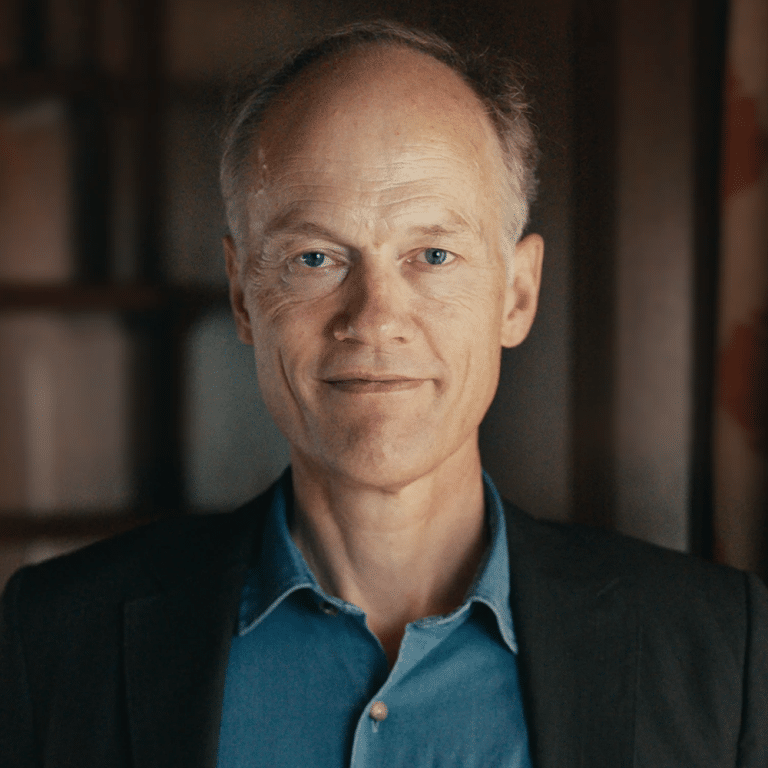
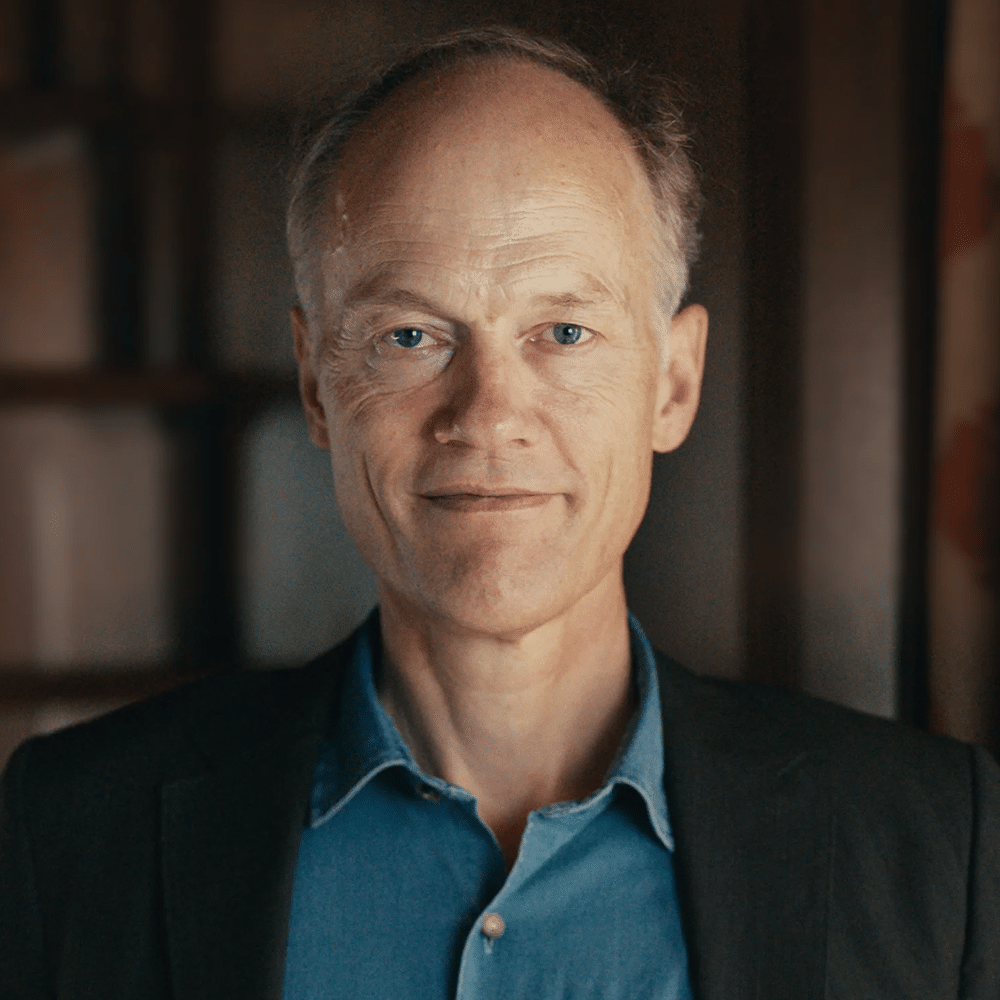
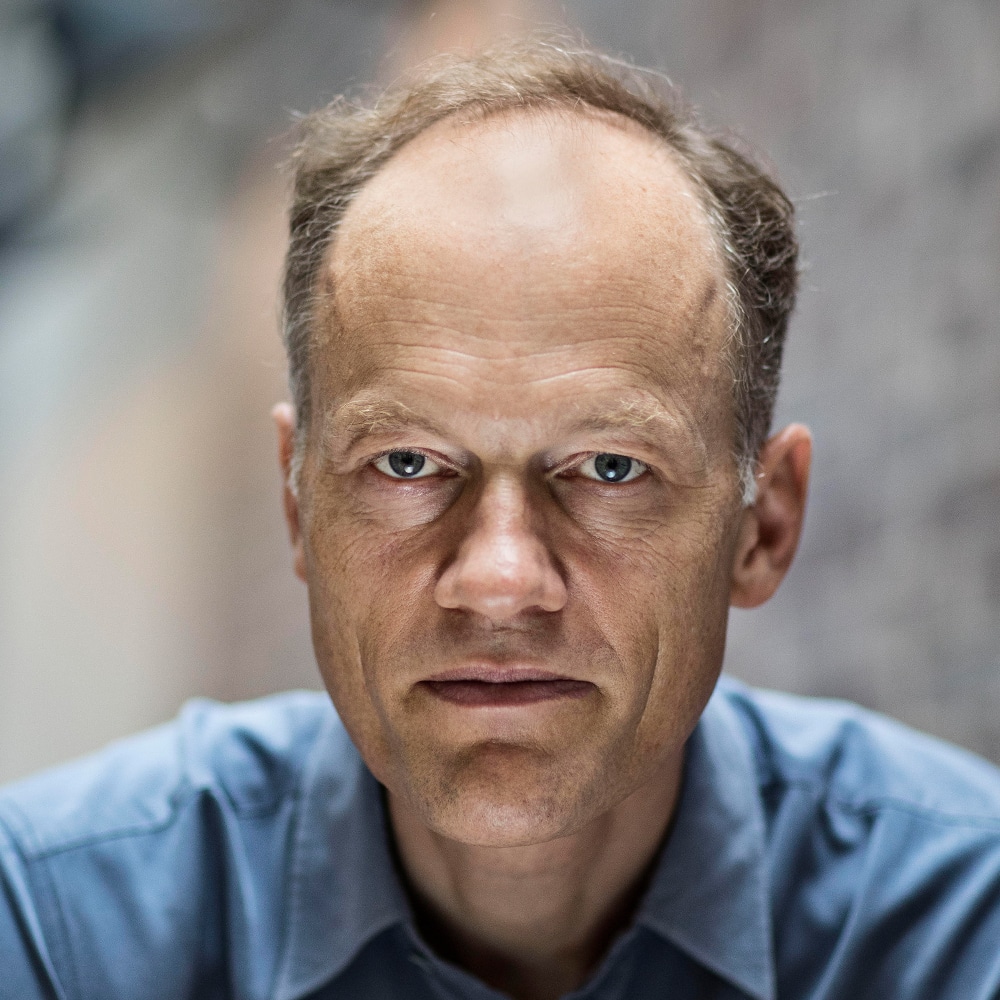
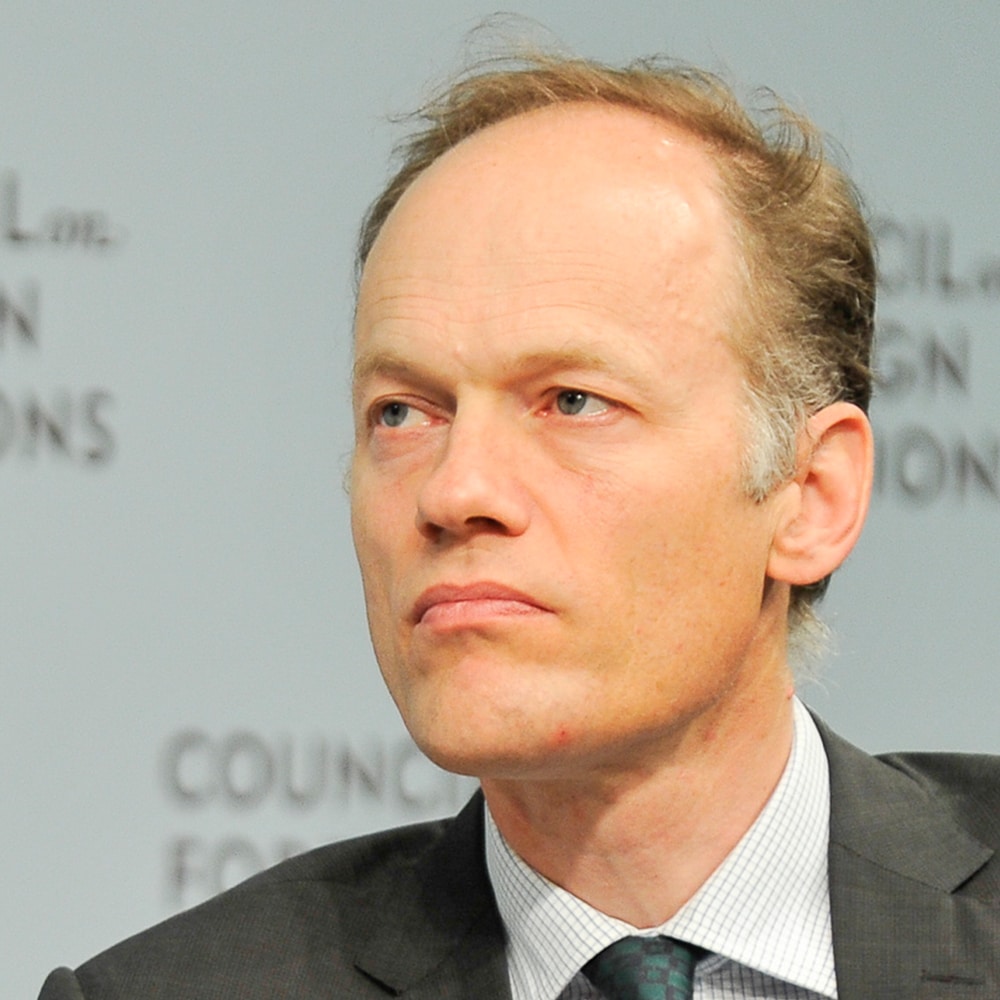
Sebastian Mallaby is the Paul A. Volcker senior fellow for international economics at the Council on Foreign Relations (CFR). A two-time Pulitzer Prize finalist, he is the author of six books, including More Money Than God: Hedge Funds and the Making of a New Elite and The Power Law: Venture Capital and the Making of the New Future, which have become investment classics. His latest book is The Infinity Machine: Demis Hassabis, DeepMind, and the Quest for Superintelligence. An experienced journalist and public speaker, Mallaby’s interests cover a wide variety of domestic and international issues, including the technology sector, central banks, financial markets, the implications of the rise of newly emerging powers, and the intersection of economics and international relations. His study of American economic statecraft, The Man Who Knew: The Life & Times of Alan Greenspan, won the 2016 Financial Times/McKinsey Business Book of the Year Award and the 2017 George S. Eccles Prize in Economic Writing. His earlier works are The World’s Banker, a portrait of the World Bank under James Wolfensohn that was named as an “Editor’s Choice” by the New York Times; and After Apartheid, which was named by the New York Times as a “Notable Book.” An essay in the Financial Times said of The World’s Banker, “Mallaby’s book may well be the most hilarious depiction of a big organization and its controversial boss since Michael Lewis’s Liar’s Poker.” Before joining CFR, Mallaby served eight years as a columnist and editorial board member at the Washington Post and spent thirteen years with the Economist. While at the Economist, he worked in London, where he wrote about foreign policy and international finance; in Africa, where he covered Nelson Mandela’s release and the collapse of apartheid; and in Japan, where he covered the breakdown of the country’s political and economic consensus. Between 1997 and 1999, Mallaby was the Economist’s Washington bureau chief and wrote the magazine’s weekly Lexington column on American politics and foreign policy. In 2015, he helped to found a startup, InFacts.org, a web publication making the fact-based case for Britain to remain in the European Union. Mallaby was educated at Oxford, graduating in 1986 with a first class degree in modern history. After eighteen years in Washington, DC, he moved to London in 2014, where he lives with his wife, Zanny Minton Beddoes, editor in chief of the Economist.
no
974450
00:00
start listening
Episode 472
Sebastian Mallaby
The God Machine: Demis Hassabis and the Quest for Superintelligence | Sebastian Mallaby
Sebastian Mallaby is the Paul A. Volcker senior fellow for international economics at the Council on Foreign Relations (CFR). A two-time Pulitzer Prize finalist, he is the author of six books, including More Money Than God: Hedge Funds and the Making of a New Elite and The Power Law: Venture Capital and the Making of the New Future, which have become investment classics. His latest book is The Infinity Machine: Demis Hassabis, DeepMind, and the Quest for Superintelligence. An experienced journalist and public speaker, Mallaby’s interests cover a wide variety of domestic and international issues, including the technology sector, central banks, financial markets, the implications of the rise of newly emerging powers, and the intersection of economics and international relations. His study of American economic statecraft, The Man Who Knew: The Life & Times of Alan Greenspan, won the 2016 Financial Times/McKinsey Business Book of the Year Award and the 2017 George S. Eccles Prize in Economic Writing. His earlier works are The World’s Banker, a portrait of the World Bank under James Wolfensohn that was named as an “Editor’s Choice” by the New York Times; and After Apartheid, which was named by the New York Times as a “Notable Book.” An essay in the Financial Times said of The World’s Banker, “Mallaby’s book may well be the most hilarious depiction of a big organization and its controversial boss since Michael Lewis’s Liar’s Poker.” Before joining CFR, Mallaby served eight years as a columnist and editorial board member at the Washington Post and spent thirteen years with the Economist. While at the Economist, he worked in London, where he wrote about foreign policy and international finance; in Africa, where he covered Nelson Mandela’s release and the collapse of apartheid; and in Japan, where he covered the breakdown of the country’s political and economic consensus. Between 1997 and 1999, Mallaby was the Economist’s Washington bureau chief and wrote the magazine’s weekly Lexington column on American politics and foreign policy. In 2015, he helped to found a startup, InFacts.org, a web publication making the fact-based case for Britain to remain in the European Union. Mallaby was educated at Oxford, graduating in 1986 with a first class degree in modern history. After eighteen years in Washington, DC, he moved to London in 2014, where he lives with his wife, Zanny Minton Beddoes, editor in chief of the Economist.
In Episode 472 of Hidden Forces, Demetri Kofinas speaks with Sebastian Mallaby about Demis Hassabis, the co-founder of DeepMind and the man widely regarded as the most consequential figure in the development of artificial general intelligence, and what his story reveals about the science, the competition, and the existential stakes of the AI transition now underway.
The first hour traces Demis Hassabis’ early life as a chess prodigy in North London, his studies in computer science at Cambridge and neuroscience at University College London, and the founding of DeepMind in 2010 alongside Shane Legg and Mustafa Suleyman.
Mallaby and Kofinas explore the philosophical and scientific foundations of Hassabis’ approach — including the decisive shift from symbolic, rule-based AI development to the inductive, data-driven logic of deep learning — as well as the competitive dynamics that have shaped the industry: Google’s acquisition of DeepMind in 2014, Demis Hassabis’s early skepticism of language models and the transformer architecture, and the moment ChatGPT’s release shattered what hopes remained of a “singleton” scenario in which a single, safety-minded lab could develop AGI on behalf of all humanity.
The second hour picks up with the launch of ChatGPT 3.5 in November 2022 and what it revealed about the state of the AI race — including Mallaby’s assessment of Sam Altman and the character of the individuals now driving this technology forward. They examine whether personality and values matter when competitive and commercial pressures are this overwhelming, and revisit a conversation Mallaby had with Geoffrey Hinton in which the so-called “godfather of AI” offered his honest assessment of humanity’s odds of surviving the AI transition.
The episode closes with an exploration of why the safety and existential risk conversation has receded from public discourse — not because the concerns have been resolved, but because geopolitical and commercial imperatives have made it nearly impossible to slow down — and considers the range of perspectives on that risk, from Yann LeCun’s dismissiveness of existential threat to the technical alignment work being pursued inside the major labs themselves.
Subscribe to our premium content—including our premium feed, episode transcripts, and Intelligence Reports—by visiting HiddenForces.io/subscribe.
If you’d like to join the conversation and become a member of the Hidden Forces Genius community—with benefits like Q&A calls with guests, exclusive research and analysis, in-person events, and dinners—you can also sign up on our subscriber page at HiddenForces.io/subscribe.
If you enjoyed today’s episode of Hidden Forces, please support the show by:
Sebastian Mallaby is the Paul A. Volcker senior fellow for international economics at the Council on Foreign Relations (CFR). A two-time Pulitzer Prize finalist, he is the author of six books, including More Money Than God: Hedge Funds and the Making of a New Elite and The Power Law: Venture Capital and the Making of the New Future, which have become investment classics. His latest book is The Infinity Machine: Demis Hassabis, DeepMind, and the Quest for Superintelligence.
An experienced journalist and public speaker, Mallaby’s interests cover a wide variety of domestic and international issues, including the technology sector, central banks, financial markets, the implications of the rise of newly emerging powers, and the intersection of economics and international relations. His study of American economic statecraft, The Man Who Knew: The Life & Times of Alan Greenspan, won the 2016 Financial Times/McKinsey Business Book of the Year Award and the 2017 George S. Eccles Prize in Economic Writing. His earlier works are The World’s Banker, a portrait of the World Bank under James Wolfensohn that was named as an “Editor’s Choice” by the New York Times; and After Apartheid, which was named by the New York Times as a “Notable Book.” An essay in the Financial Times said of The World’s Banker, “Mallaby’s book may well be the most hilarious depiction of a big organization and its controversial boss since Michael Lewis’s Liar’s Poker.”
Before joining CFR, Mallaby served eight years as a columnist and editorial board member at the Washington Post and spent thirteen years with the Economist. While at the Economist, he worked in London, where he wrote about foreign policy and international finance; in Africa, where he covered Nelson Mandela’s release and the collapse of apartheid; and in Japan, where he covered the breakdown of the country’s political and economic consensus. Between 1997 and 1999, Mallaby was the Economist’s Washington bureau chief and wrote the magazine’s weekly Lexington column on American politics and foreign policy. In 2015, he helped to found a startup, InFacts.org, a web publication making the fact-based case for Britain to remain in the European Union.
Mallaby was educated at Oxford, graduating in 1986 with a first class degree in modern history. After eighteen years in Washington, DC, he moved to London in 2014, where he lives with his wife, Zanny Minton Beddoes, editor in chief of the Economist.
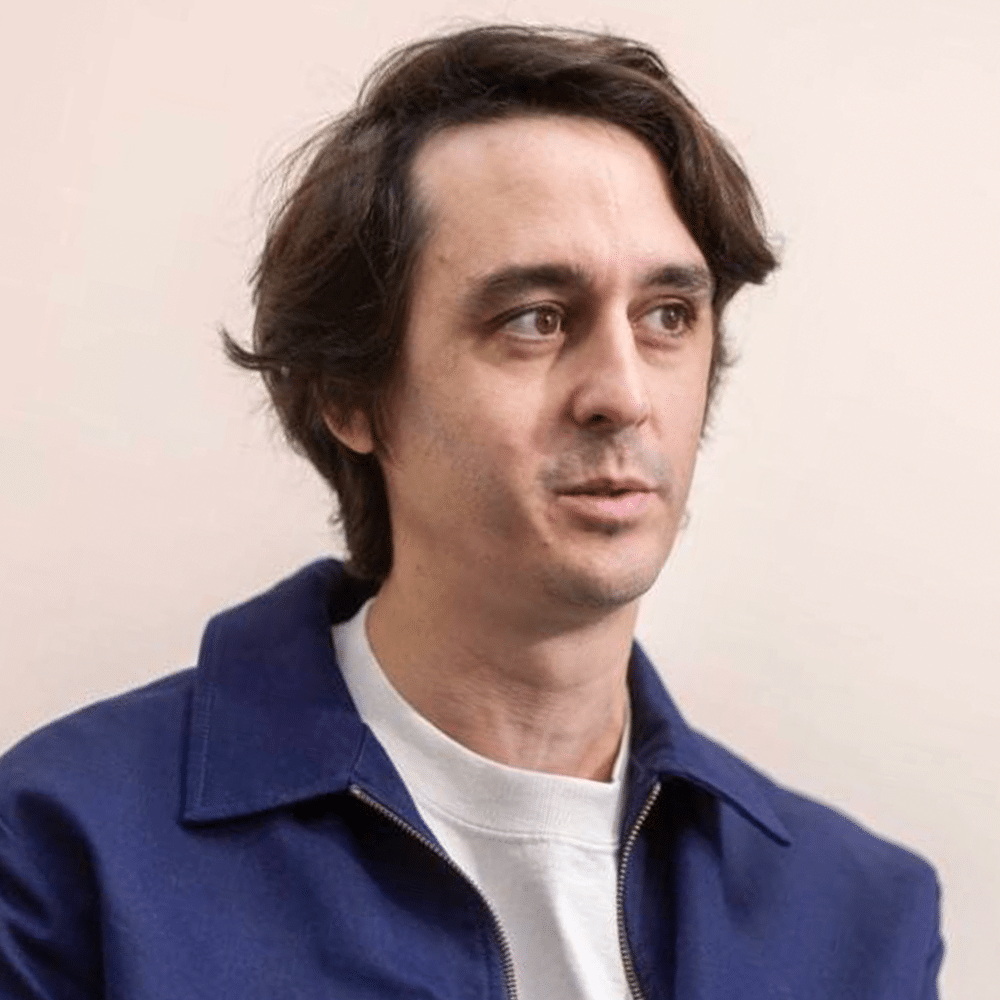
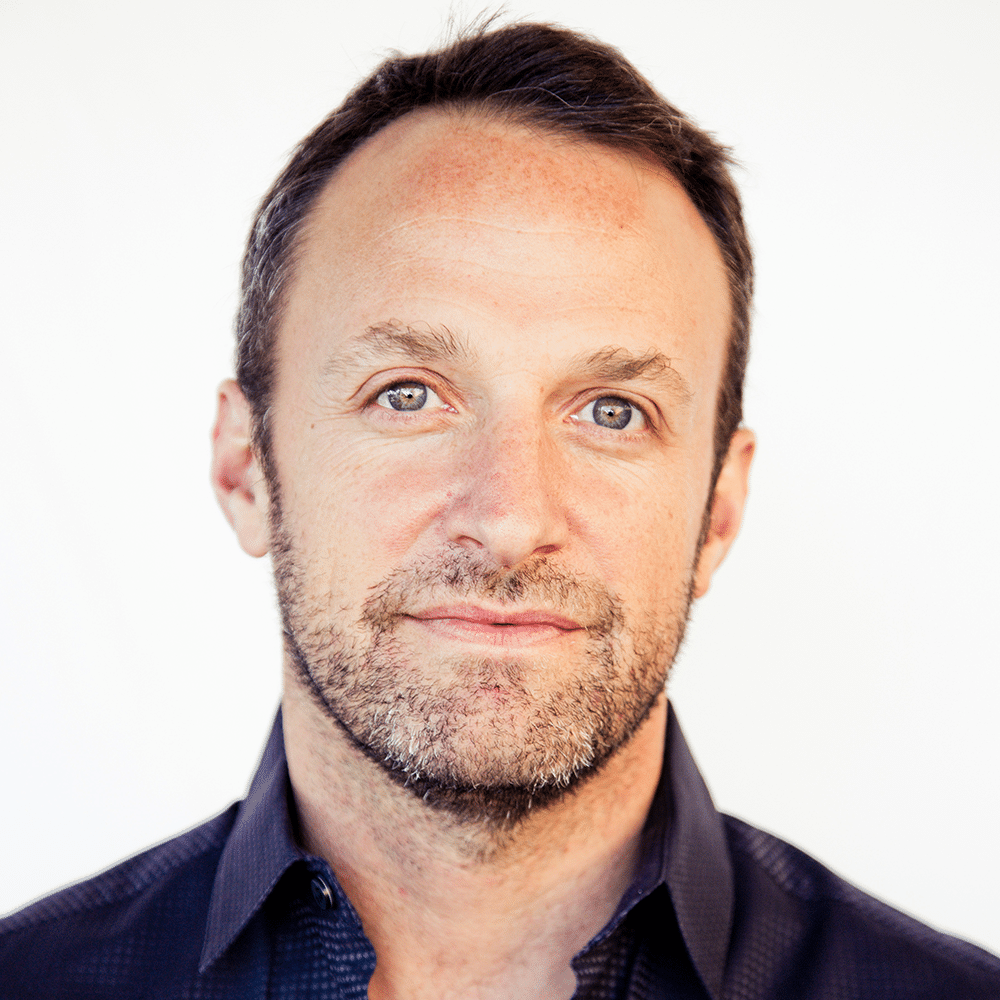
Demetri Kofinas is a media entrepreneur and financial analyst whose mission is to help uncover the hidden forces and pivotal patterns shaping our lives. His contrarian perspective and critical-thinking approach has helped hundreds of thousands of people make smarter, informed decisions. This same methodology has helped guide Demetri’s decision-making as an early-stage investor and as a creator of several innovative media properties and live events.
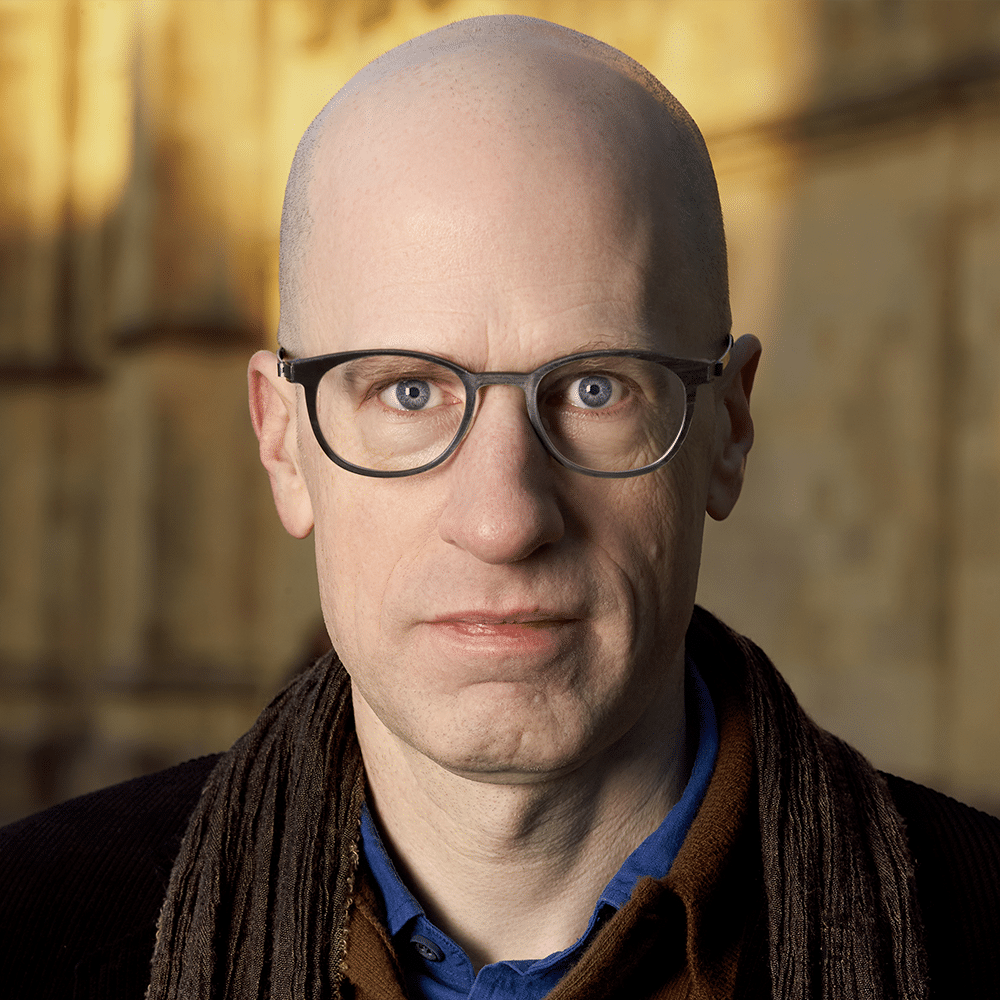
Demetri Kofinas is a media entrepreneur and financial analyst whose mission is to help uncover the hidden forces and pivotal patterns shaping our lives. His contrarian perspective and critical-thinking approach has helped hundreds of thousands of people make smarter, informed decisions. This same methodology has helped guide Demetri’s decision-making as an early-stage investor and as a creator of several innovative media properties and live events.
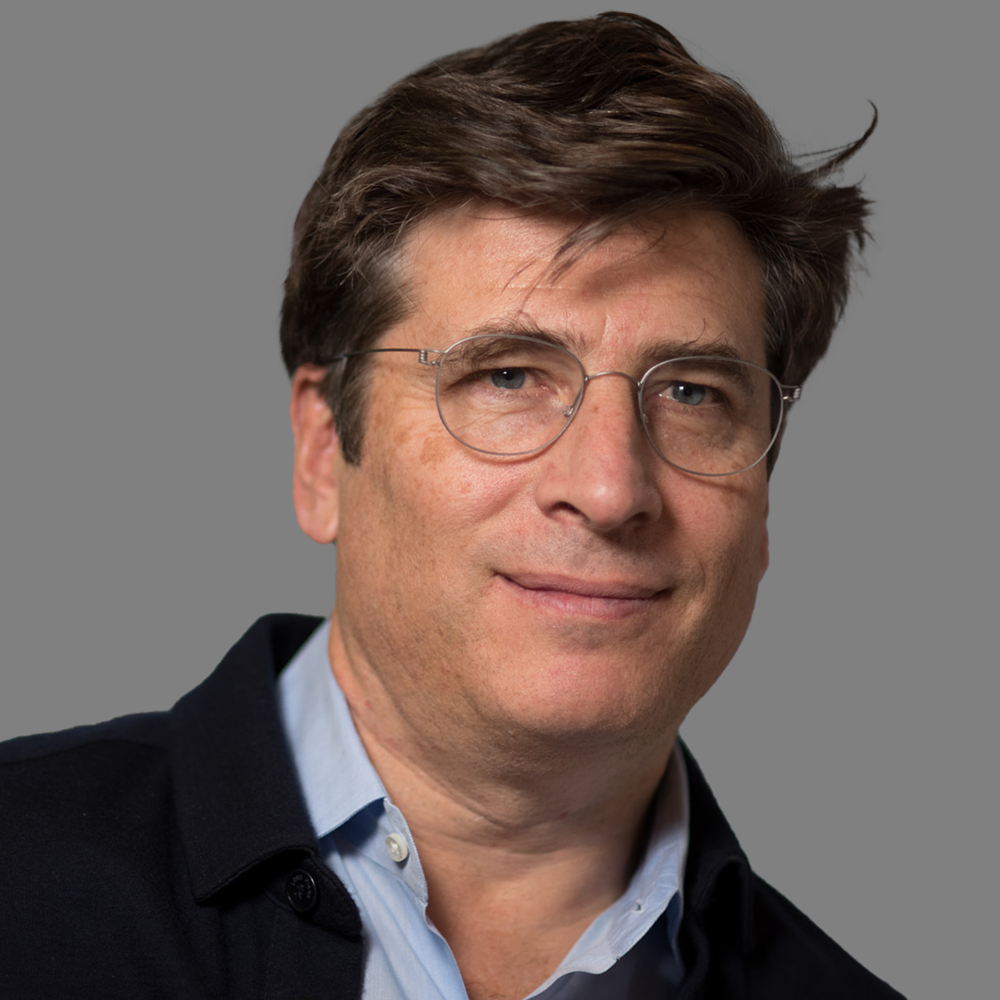
Demetri Kofinas is a media entrepreneur and financial analyst whose mission is to help uncover the hidden forces and pivotal patterns shaping our lives. His contrarian perspective and critical-thinking approach has helped hundreds of thousands of people make smarter, informed decisions. This same methodology has helped guide Demetri’s decision-making as an early-stage investor and as a creator of several innovative media properties and live events.
Demetri Kofinas is a media entrepreneur and financial analyst whose mission is to help uncover the hidden forces and pivotal patterns shaping our lives. His contrarian perspective and critical-thinking approach has helped hundreds of thousands of people make smarter, informed decisions. This same methodology has helped guide Demetri’s decision-making as an early-stage investor and as a creator of several innovative media properties and live events.
Demetri Kofinas is a media entrepreneur and financial analyst whose mission is to help uncover the hidden forces and pivotal patterns shaping our lives. His contrarian perspective and critical-thinking approach has helped hundreds of thousands of people make smarter, informed decisions. This same methodology has helped guide Demetri’s decision-making as an early-stage investor and as a creator of several innovative media properties and live events.