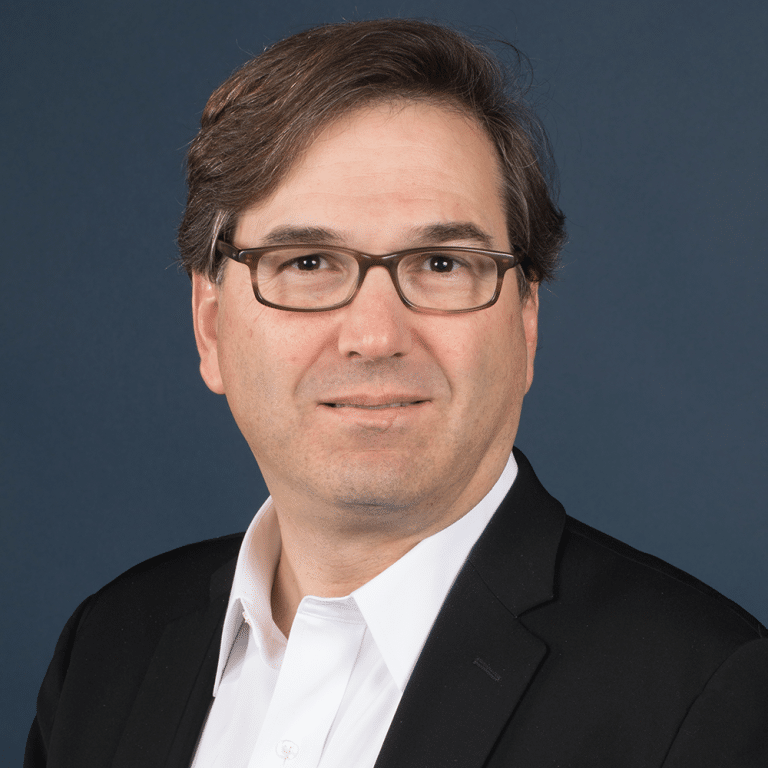
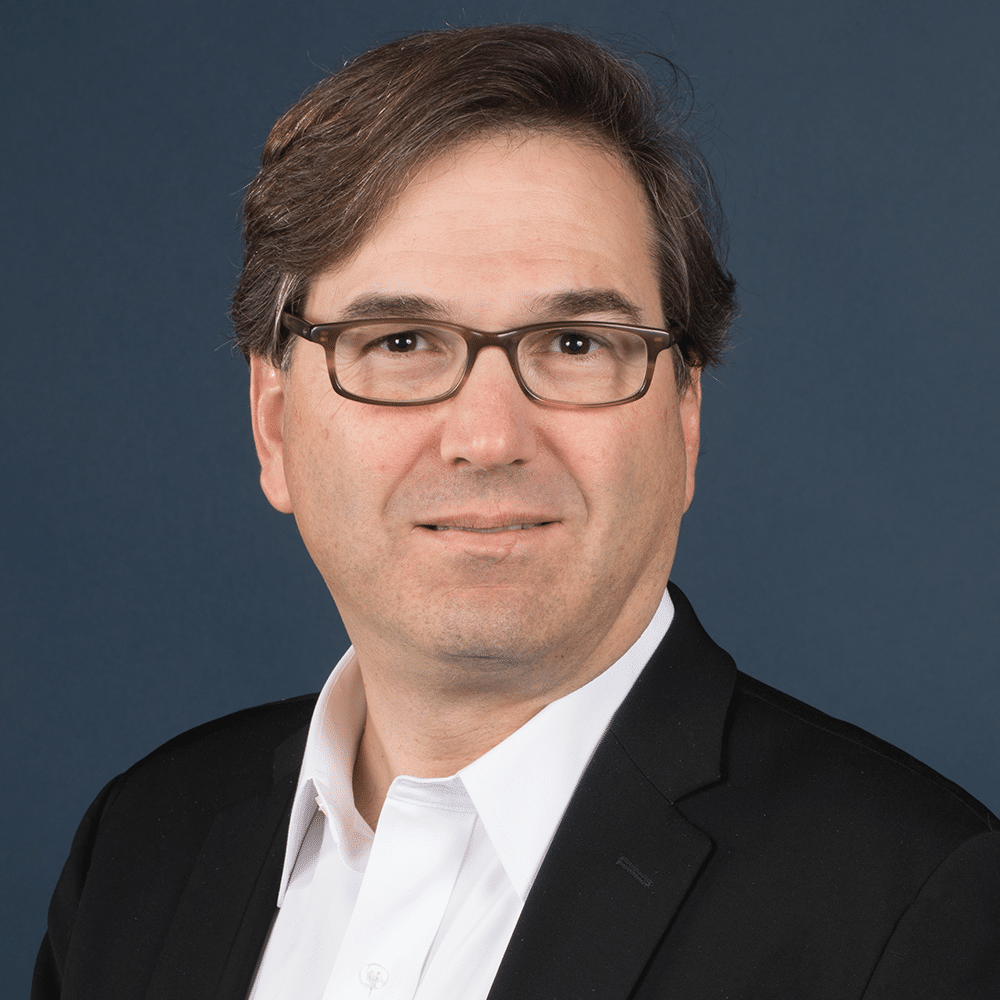
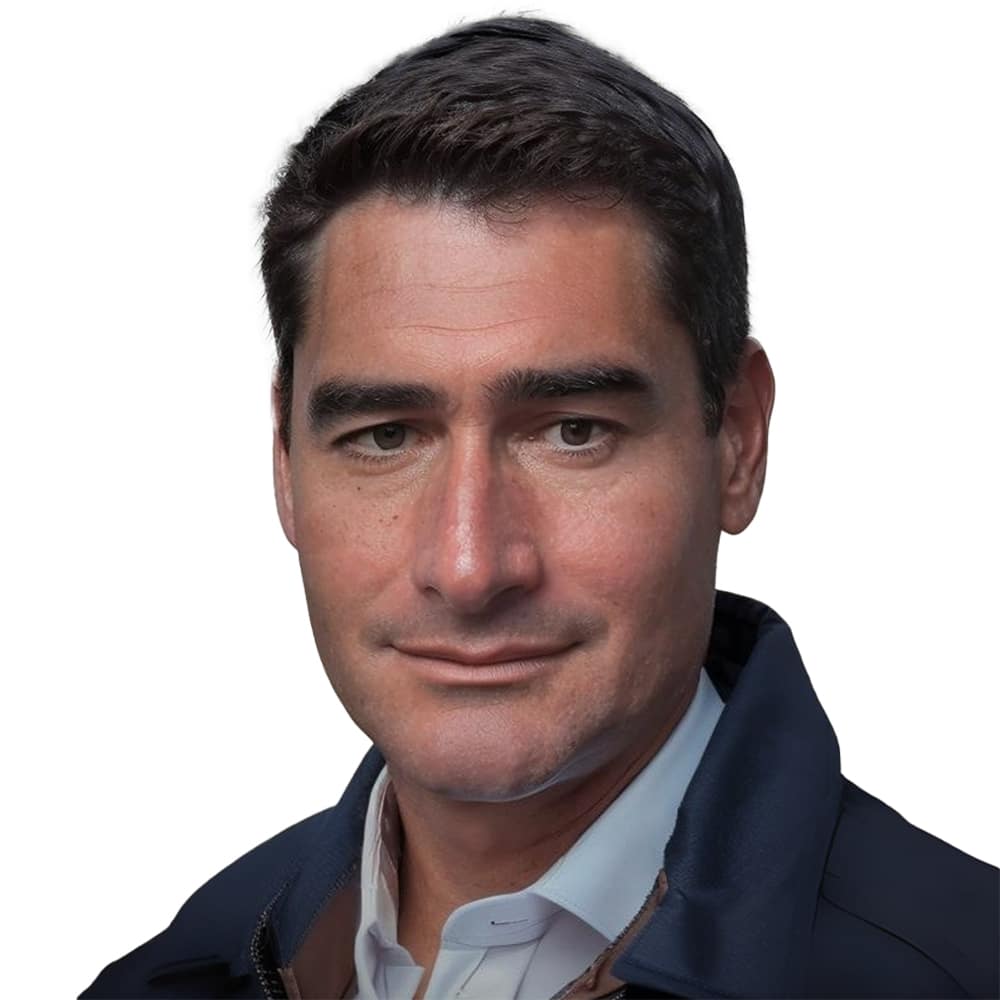
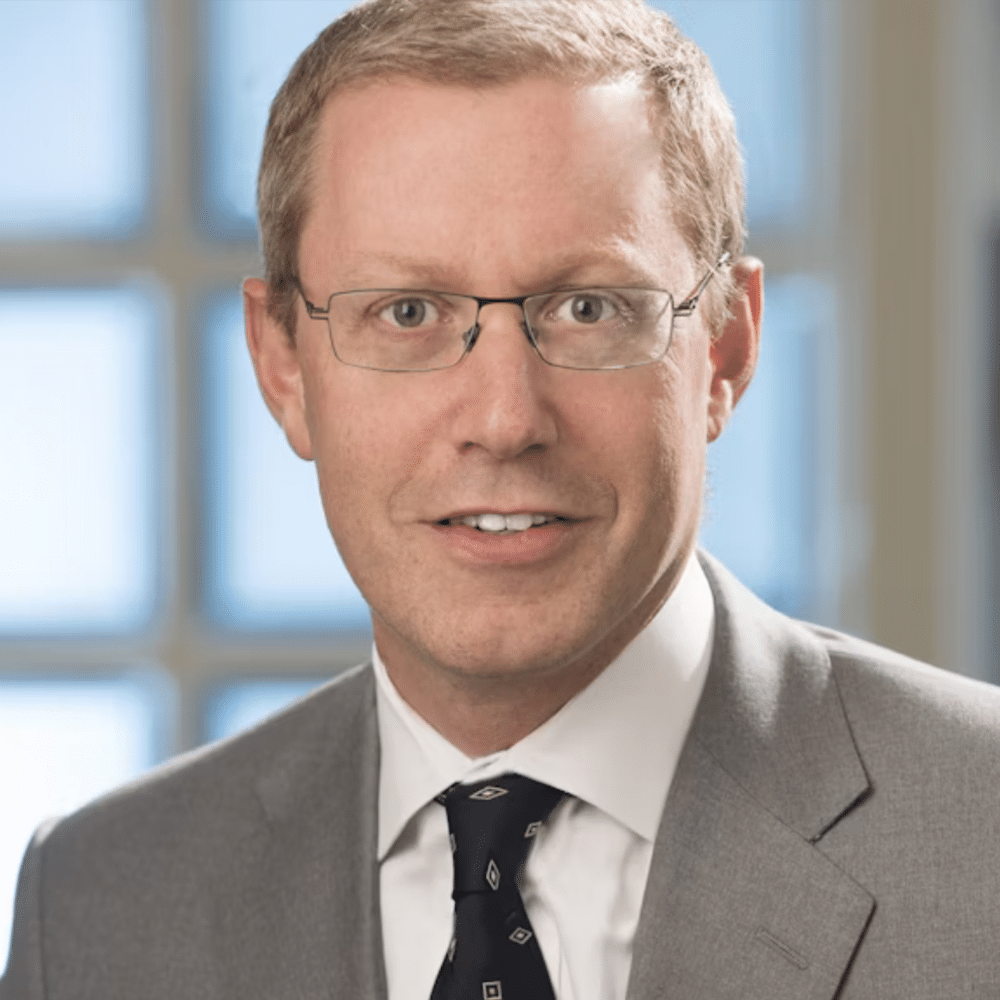
Jason Furman is the Aetna Professor of the Practice of Economic Policy jointly at Harvard Kennedy School (HKS) and the Department of Economics at Harvard University. He is also nonresident senior fellow at the Peterson Institute for International Economics. Furman engages in public policy through research, writing and teaching in a wide range of areas including U.S. and international macroeconomics, fiscal policy, labor markets and competition policy. He co-teaches Ec10 “Principles of Economics,” the largest course at Harvard University. Previously Furman served eight years as a top economic adviser to President Obama, including serving as the 28th Chairman of the Council of Economic Advisers from August 2013 to January 2017, acting as both President Obama’s chief economist and a member of the cabinet. During this time Furman played a major role in most of the major economic policies of the Obama Administration. Furman also served under President Clinton. Furman is a member of numerous organizations including the Council on Foreign Relations, the Group of Thirty and the Economic Strategy Group. He also serves as a Trustee of the Russell Sage Foundation and on the advisory boards for the Brookings Papers on Economic Activity, the Bund Summit, the Hamilton Project and the Washington Center for Equitable Growth. In addition to articles in scholarly journals and periodicals, Furman is a regular contributor to the New York Times and Project Syndicate and the editor of two books on economic policy. Furman holds a Ph.D. in economics from Harvard University.
no
910666
00:00
start listening
Episode 453
Jason Furman
AI Bubble, Inflation, and the Limits of Monetary Policy | Jason Furman
Jason Furman is the Aetna Professor of the Practice of Economic Policy jointly at Harvard Kennedy School (HKS) and the Department of Economics at Harvard University. He is also nonresident senior fellow at the Peterson Institute for International Economics. Furman engages in public policy through research, writing and teaching in a wide range of areas including U.S. and international macroeconomics, fiscal policy, labor markets and competition policy. He co-teaches Ec10 “Principles of Economics,” the largest course at Harvard University. Previously Furman served eight years as a top economic adviser to President Obama, including serving as the 28th Chairman of the Council of Economic Advisers from August 2013 to January 2017, acting as both President Obama’s chief economist and a member of the cabinet. During this time Furman played a major role in most of the major economic policies of the Obama Administration. Furman also served under President Clinton. Furman is a member of numerous organizations including the Council on Foreign Relations, the Group of Thirty and the Economic Strategy Group. He also serves as a Trustee of the Russell Sage Foundation and on the advisory boards for the Brookings Papers on Economic Activity, the Bund Summit, the Hamilton Project and the Washington Center for Equitable Growth. In addition to articles in scholarly journals and periodicals, Furman is a regular contributor to the New York Times and Project Syndicate and the editor of two books on economic policy. Furman holds a Ph.D. in economics from Harvard University.
In Episode 453 of Hidden Forces, Demetri Kofinas speaks with Jason Furman, the former chair of the Council of Economic Advisers, about the state of the U.S. economy, the AI Bubble, monetary policy, inflation, price controls, and much more.
Jason and Demetri spend the first hour of their conversation exploring his economic framework, what he learned from his time working inside the Clinton and Obama White Houses, and how these experiences shaped his perspective on the role of government in the economy.
The two then delve into Furman’s thoughts on artificial intelligence. They discuss whether we’re living through an AI bubble, where Jason anticipates the greatest productivity gains from the adoption of AI in the U.S. service sector, and his perspective on AI regulation. They also discuss the limitations of our inflation models, whether we have a good working understanding of the causes of inflation, whether the Fed has implicitly raised its inflation target, and how large, structural deficits and political constraints will shape the Fed’s ability to manage that target in the years ahead.
In the second hour, Kofinas and Furman shift to a discussion about the politics of affordability and a growing sense, especially among younger Americans, that the costs associated with achieving the American dream have become insurmountable for almost all but the very wealthy. They debate the political appeal and efficacy of price controls, as well as the extent to which tariffs, industrial policy, and currency depreciation can or should be used to reshape global supply chains and rebuild U.S. domestic manufacturing in areas deemed critical for national security. They also discuss the US trade deficit and capital account surplus, what a weaker dollar may tell us about the government’s policy objectives, how corruption, rule of law, and institutional decay might eventually feed back into foreign appetite for US assets, and what is at stake in the choice of the next Fed chair—both for the independence of the central bank and for the long-term credibility of American monetary policy.
Subscribe to our premium content—including our premium feed, episode transcripts, and Intelligence Reports—by visiting HiddenForces.io/subscribe.
If you’d like to join the conversation and become a member of the Hidden Forces Genius community—with benefits like Q&A calls with guests, exclusive research and analysis, in-person events, and dinners—you can also sign up on our subscriber page at HiddenForces.io/subscribe.
If you enjoyed today’s episode of Hidden Forces, please support the show by:
Jason Furman is the Aetna Professor of the Practice of Economic Policy jointly at Harvard Kennedy School (HKS) and the Department of Economics at Harvard University. He is also nonresident senior fellow at the Peterson Institute for International Economics. Furman engages in public policy through research, writing and teaching in a wide range of areas including U.S. and international macroeconomics, fiscal policy, labor markets and competition policy. He co-teaches Ec10 “Principles of Economics,” the largest course at Harvard University.
Previously Furman served eight years as a top economic adviser to President Obama, including serving as the 28th Chairman of the Council of Economic Advisers from August 2013 to January 2017, acting as both President Obama’s chief economist and a member of the cabinet. During this time Furman played a major role in most of the major economic policies of the Obama Administration. Furman also served under President Clinton.
Furman is a member of numerous organizations including the Council on Foreign Relations, the Group of Thirty and the Economic Strategy Group. He also serves as a Trustee of the Russell Sage Foundation and on the advisory boards for the Brookings Papers on Economic Activity, the Bund Summit, the Hamilton Project and the Washington Center for Equitable Growth.
In addition to articles in scholarly journals and periodicals, Furman is a regular contributor to the New York Times and Project Syndicate and the editor of two books on economic policy. Furman holds a Ph.D. in economics from Harvard University.
Demetri Kofinas is a media entrepreneur and financial analyst whose mission is to help uncover the hidden forces and pivotal patterns shaping our lives. His contrarian perspective and critical-thinking approach has helped hundreds of thousands of people make smarter, informed decisions. This same methodology has helped guide Demetri’s decision-making as an early-stage investor and as a creator of several innovative media properties and live events.
Demetri Kofinas is a media entrepreneur and financial analyst whose mission is to help uncover the hidden forces and pivotal patterns shaping our lives. His contrarian perspective and critical-thinking approach has helped hundreds of thousands of people make smarter, informed decisions. This same methodology has helped guide Demetri’s decision-making as an early-stage investor and as a creator of several innovative media properties and live events.
Demetri Kofinas is a media entrepreneur and financial analyst whose mission is to help uncover the hidden forces and pivotal patterns shaping our lives. His contrarian perspective and critical-thinking approach has helped hundreds of thousands of people make smarter, informed decisions. This same methodology has helped guide Demetri’s decision-making as an early-stage investor and as a creator of several innovative media properties and live events.
Demetri Kofinas is a media entrepreneur and financial analyst whose mission is to help uncover the hidden forces and pivotal patterns shaping our lives. His contrarian perspective and critical-thinking approach has helped hundreds of thousands of people make smarter, informed decisions. This same methodology has helped guide Demetri’s decision-making as an early-stage investor and as a creator of several innovative media properties and live events.
Demetri Kofinas is a media entrepreneur and financial analyst whose mission is to help uncover the hidden forces and pivotal patterns shaping our lives. His contrarian perspective and critical-thinking approach has helped hundreds of thousands of people make smarter, informed decisions. This same methodology has helped guide Demetri’s decision-making as an early-stage investor and as a creator of several innovative media properties and live events.