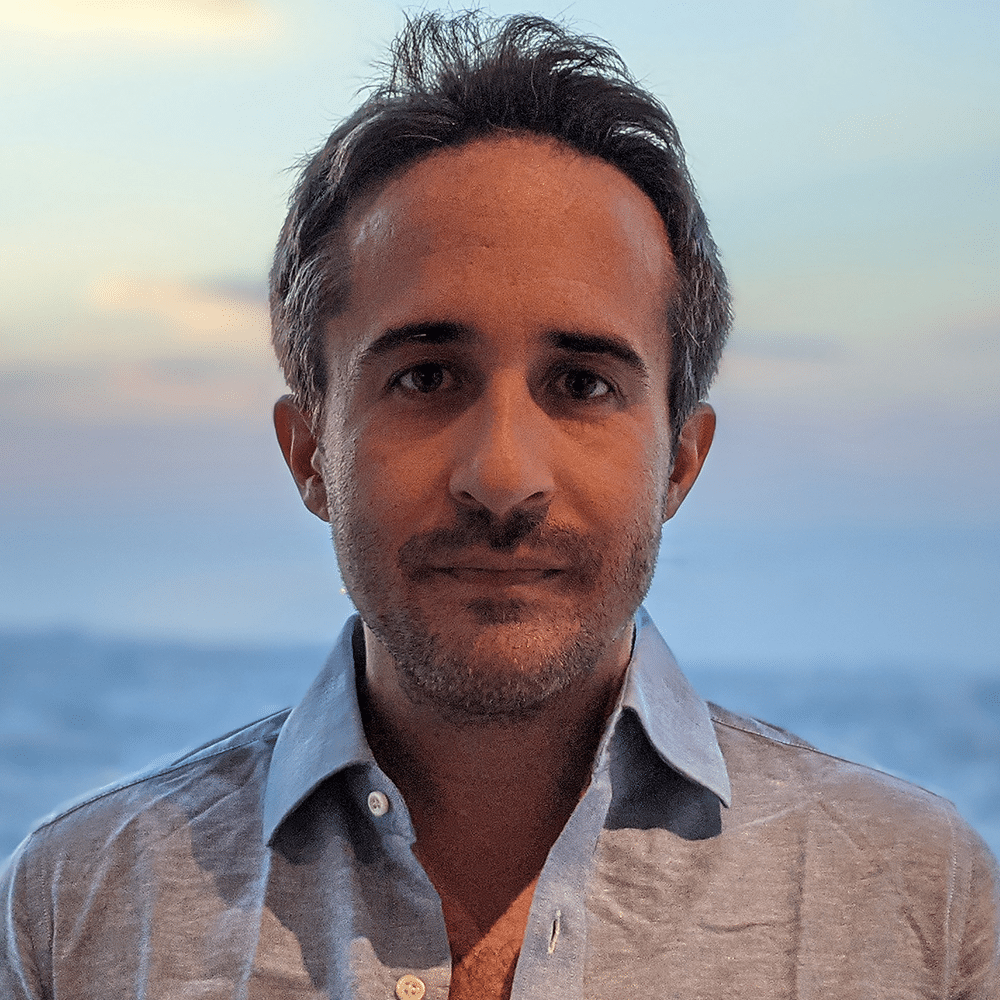
Ali Vaez is Crisis Group’s Deputy Program Director for the Middle East and North Africa. He regularly advises U.S., European and Middle Eastern officials and was intimately involved in the 2015 nuclear negotiations in his former capacity as Crisis Group’s Iran Project Director. Previously, Ali served as a Senior Political Affairs Officer at the United Nations Department of Political and Peace-building Affairs and was the Iran Project Director at the Federation of American Scientists. He is an adjunct professor at Georgetown University’s Edmund A. Walsh School of Foreign Service and a former fellow at the Foreign Policy Institute of the Johns Hopkins School of Advanced International Studies. He is a co-author of How Sanctions Work: Iran and the Impact of Economic Warfare. Trained as a scientist, Ali has more than a decade of experience in journalism. He has written widely on Iranian affairs and is a regular contributor to mainstream media outlets, including The New York Times, The Financial Times, The Washington Post, The Guardian, The Atlantic, Foreign Policy and Foreign Affairs. He is a frequent guest on CNN, BBC, Al Jazeera and NPR. Ali was a post-doctoral fellow at Harvard University from 2008 to 2010 and holds a Ph.D. from the University of Geneva and a master’s degree from the Johns Hopkins School of Advanced International Studies.
no
6519984
00:00
start listening
Episode 503
Ali Vaez
Are We Verging on Another Escalation in the Middle East? | Ali Vaez
Ali Vaez is Crisis Group’s Deputy Program Director for the Middle East and North Africa. He regularly advises U.S., European and Middle Eastern officials and was intimately involved in the 2015 nuclear negotiations in his former capacity as Crisis Group’s Iran Project Director. Previously, Ali served as a Senior Political Affairs Officer at the United Nations Department of Political and Peace-building Affairs and was the Iran Project Director at the Federation of American Scientists. He is an adjunct professor at Georgetown University’s Edmund A. Walsh School of Foreign Service and a former fellow at the Foreign Policy Institute of the Johns Hopkins School of Advanced International Studies. He is a co-author of How Sanctions Work: Iran and the Impact of Economic Warfare. Trained as a scientist, Ali has more than a decade of experience in journalism. He has written widely on Iranian affairs and is a regular contributor to mainstream media outlets, including The New York Times, The Financial Times, The Washington Post, The Guardian, The Atlantic, Foreign Policy and Foreign Affairs. He is a frequent guest on CNN, BBC, Al Jazeera and NPR. Ali was a post-doctoral fellow at Harvard University from 2008 to 2010 and holds a Ph.D. from the University of Geneva and a master’s degree from the Johns Hopkins School of Advanced International Studies.
In Episode 503 of Hidden Forces, Demetri Kofinas speaks with Ali Vaez, deputy program director for the Middle East and North Africa at the Crisis Group and a closely watched analyst of Iran’s foreign and nuclear policy, about where the war between Iran and the United States stands eight months after the start of Operation Epic Fury, how Iran has turned its control of the Strait of Hormuz into a tool for pressuring the global economy, what the conflict has cost Washington, Tehran, and their allies, and why the window for a durable diplomatic resolution may be closing.
The first hour establishes the state of play eight months into the war, including:
How the war has metastasized into a wider regional confrontation involving the Houthis in Yemen and attacks on Saudi Arabia.
What the fighting has cost the United States militarily, from a significant depletion of its missile interceptor stockpiles to the loss of several regional bases.
How the war has reshaped Iran’s internal politics, economy, and society.
Why coordination between Washington and Tel Aviv appears to be breaking down.
The second hour examines:
How the US and its Gulf allies have kept oil flowing through the Strait of Hormuz despite Iran’s blockade.
How Iran’s national security doctrine has shifted since the war began.
The state of the Islamic Republic’s nuclear ambitions.
The degradation of Western intelligence networks inside Iran and its consequences.
What a durable security architecture for the Middle East will require.
Whether the Trump administration has the credibility to end the war or if it will be left up to a future administration.
Subscribe to our premium content—including our premium feed, episode transcripts, and Intelligence Reports—by visiting HiddenForces.io/subscribe.
If you’d like to join the conversation and become a member of the Hidden Forces Genius community—with benefits like Q&A calls with guests, exclusive research and analysis, in-person events, and dinners—you can also sign up on our subscriber page at HiddenForces.io/subscribe.
If you enjoyed today’s episode of Hidden Forces, please support the show by:
Ali Vaez is Crisis Group’s Deputy Program Director for the Middle East and North Africa. He regularly advises U.S., European and Middle Eastern officials and was intimately involved in the 2015 nuclear negotiations in his former capacity as Crisis Group’s Iran Project Director.
Previously, Ali served as a Senior Political Affairs Officer at the United Nations Department of Political and Peace-building Affairs and was the Iran Project Director at the Federation of American Scientists. He is an adjunct professor at Georgetown University’s Edmund A. Walsh School of Foreign Service and a former fellow at the Foreign Policy Institute of the Johns Hopkins School of Advanced International Studies. He is a co-author of How Sanctions Work: Iran and the Impact of Economic Warfare.
Trained as a scientist, Ali has more than a decade of experience in journalism. He has written widely on Iranian affairs and is a regular contributor to mainstream media outlets, including The New York Times, The Financial Times, The Washington Post, The Guardian, The Atlantic, Foreign Policy and Foreign Affairs. He is a frequent guest on CNN, BBC, Al Jazeera and NPR. Ali was a post-doctoral fellow at Harvard University from 2008 to 2010 and holds a Ph.D. from the University of Geneva and a master’s degree from the Johns Hopkins School of Advanced International Studies.
Demetri Kofinas is a media entrepreneur and financial analyst whose mission is to help uncover the hidden forces and pivotal patterns shaping our lives. His contrarian perspective and critical-thinking approach has helped hundreds of thousands of people make smarter, informed decisions. This same methodology has helped guide Demetri’s decision-making as an early-stage investor and as a creator of several innovative media properties and live events.
Demetri Kofinas is a media entrepreneur and financial analyst whose mission is to help uncover the hidden forces and pivotal patterns shaping our lives. His contrarian perspective and critical-thinking approach has helped hundreds of thousands of people make smarter, informed decisions. This same methodology has helped guide Demetri’s decision-making as an early-stage investor and as a creator of several innovative media properties and live events.
Demetri Kofinas is a media entrepreneur and financial analyst whose mission is to help uncover the hidden forces and pivotal patterns shaping our lives. His contrarian perspective and critical-thinking approach has helped hundreds of thousands of people make smarter, informed decisions. This same methodology has helped guide Demetri’s decision-making as an early-stage investor and as a creator of several innovative media properties and live events.
Demetri Kofinas is a media entrepreneur and financial analyst whose mission is to help uncover the hidden forces and pivotal patterns shaping our lives. His contrarian perspective and critical-thinking approach has helped hundreds of thousands of people make smarter, informed decisions. This same methodology has helped guide Demetri’s decision-making as an early-stage investor and as a creator of several innovative media properties and live events.
Demetri Kofinas is a media entrepreneur and financial analyst whose mission is to help uncover the hidden forces and pivotal patterns shaping our lives. His contrarian perspective and critical-thinking approach has helped hundreds of thousands of people make smarter, informed decisions. This same methodology has helped guide Demetri’s decision-making as an early-stage investor and as a creator of several innovative media properties and live events.